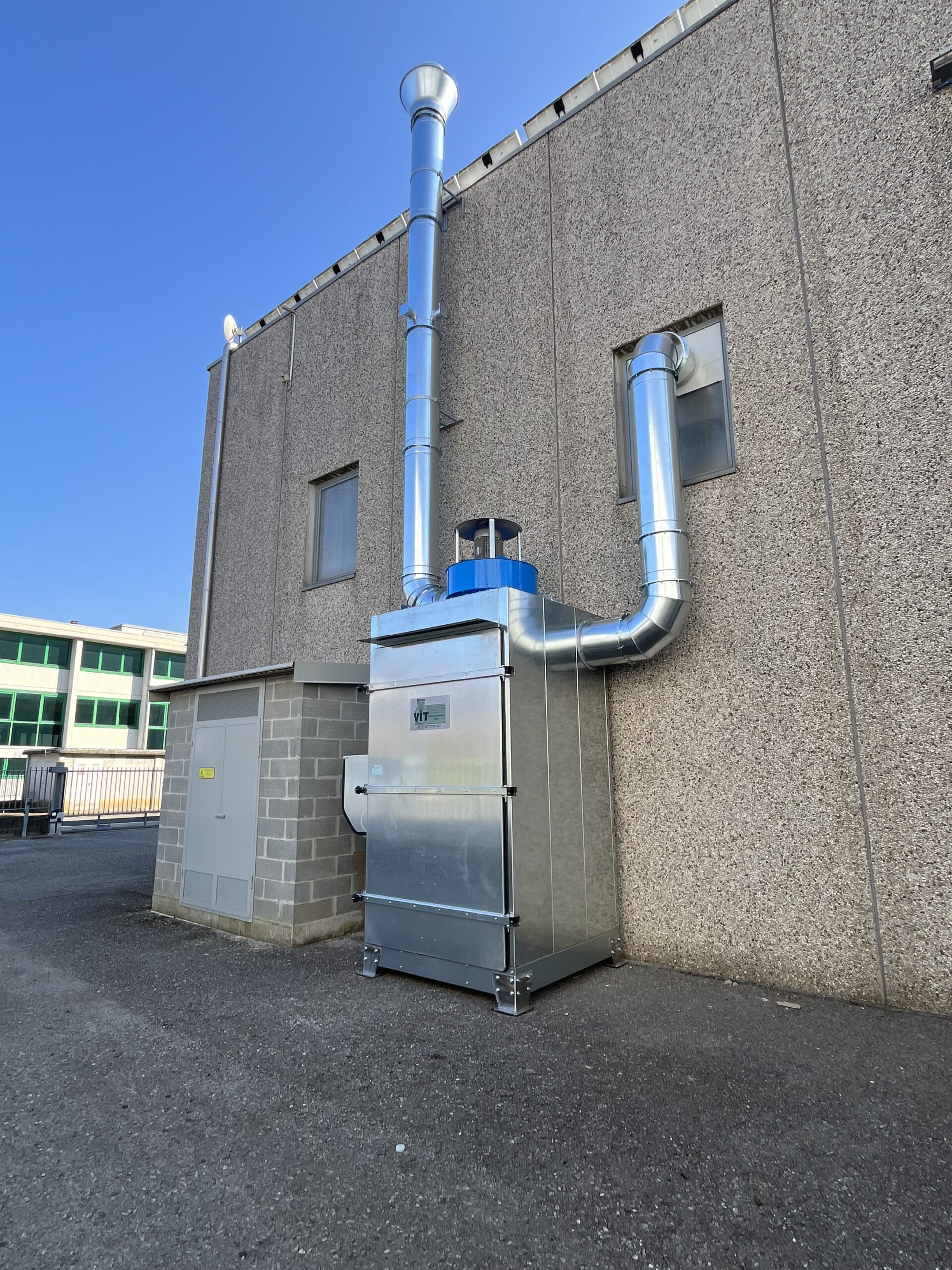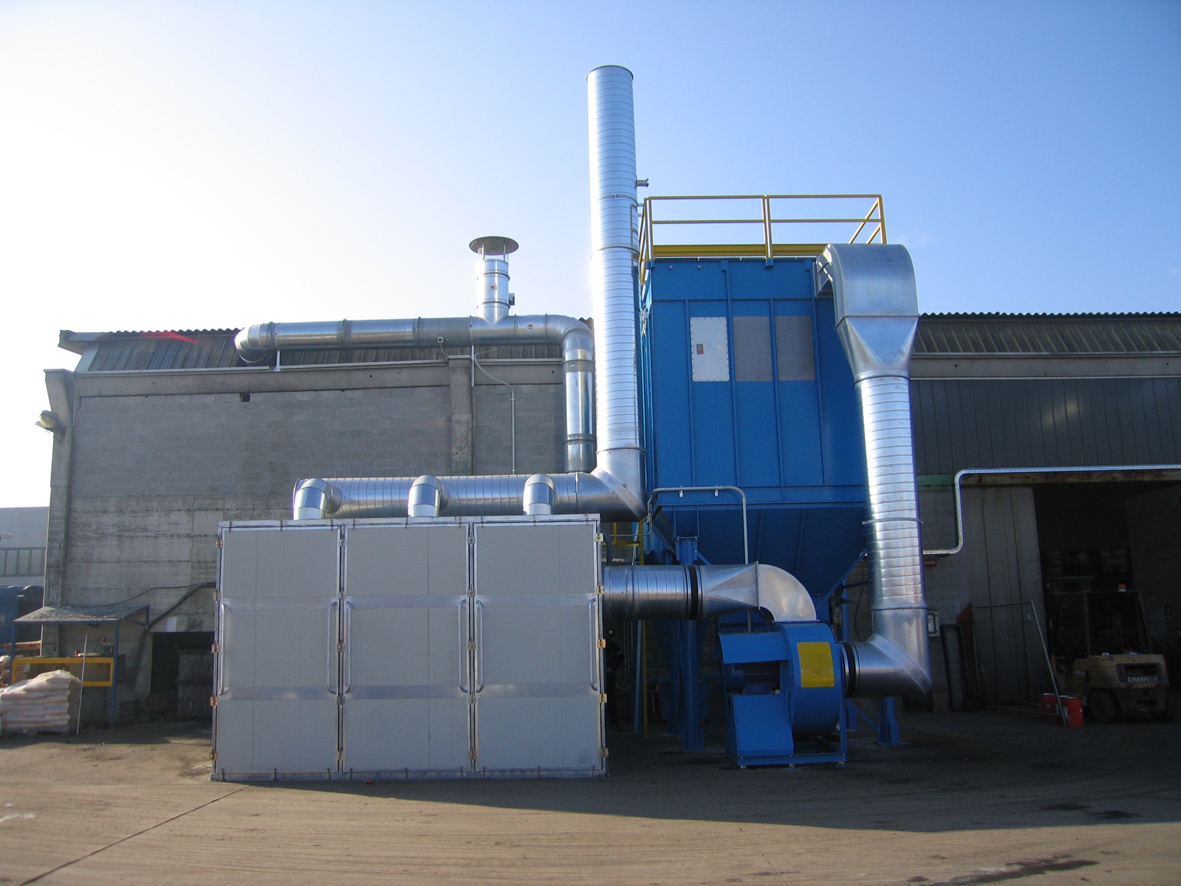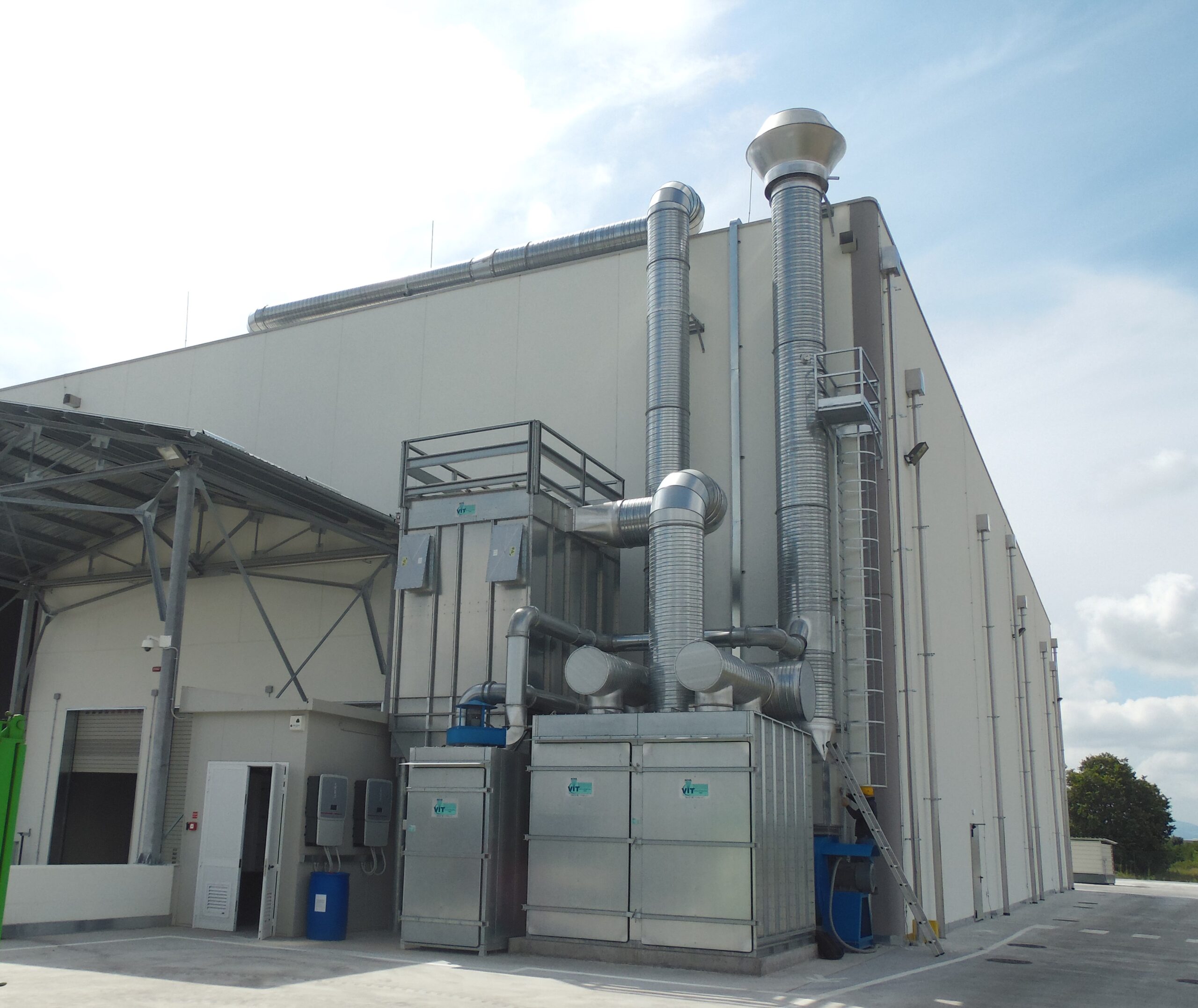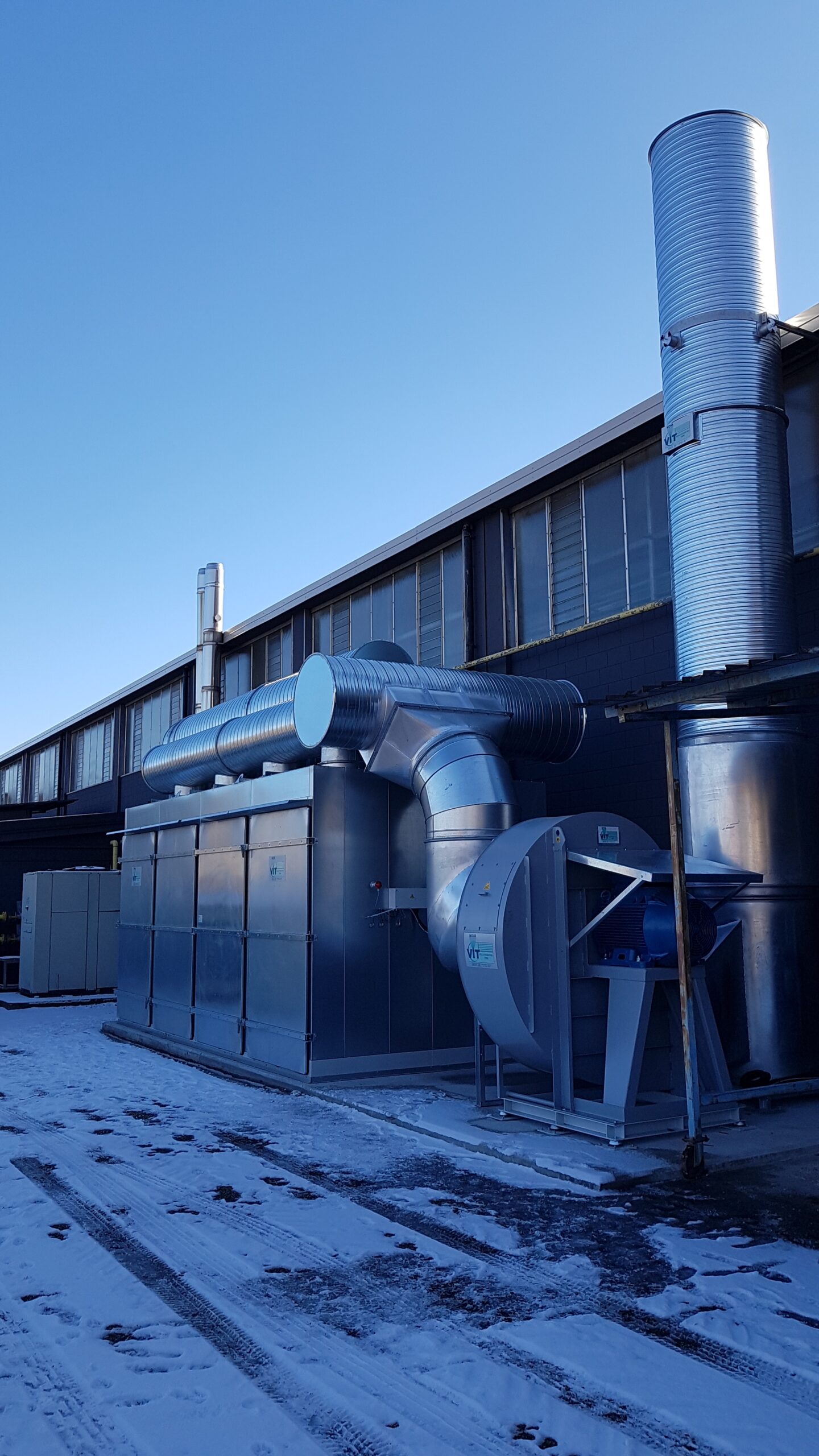
Advanced activated carbon filtration systems for effective VOC removal in industrial environments.
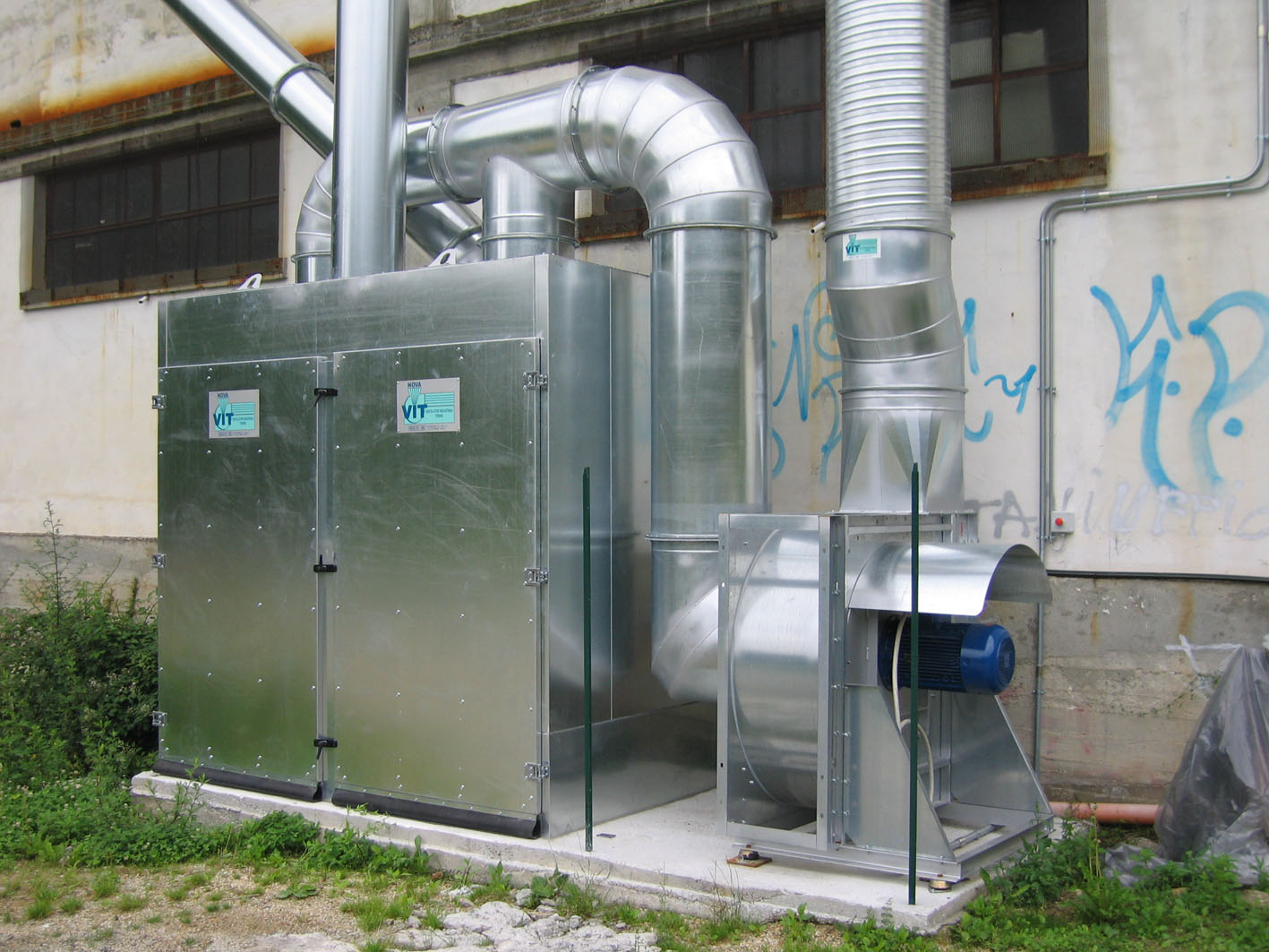
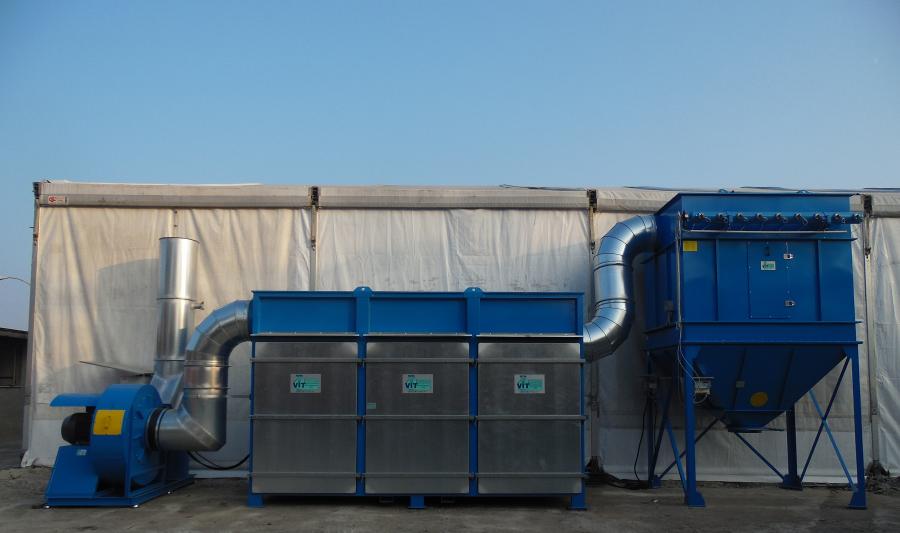
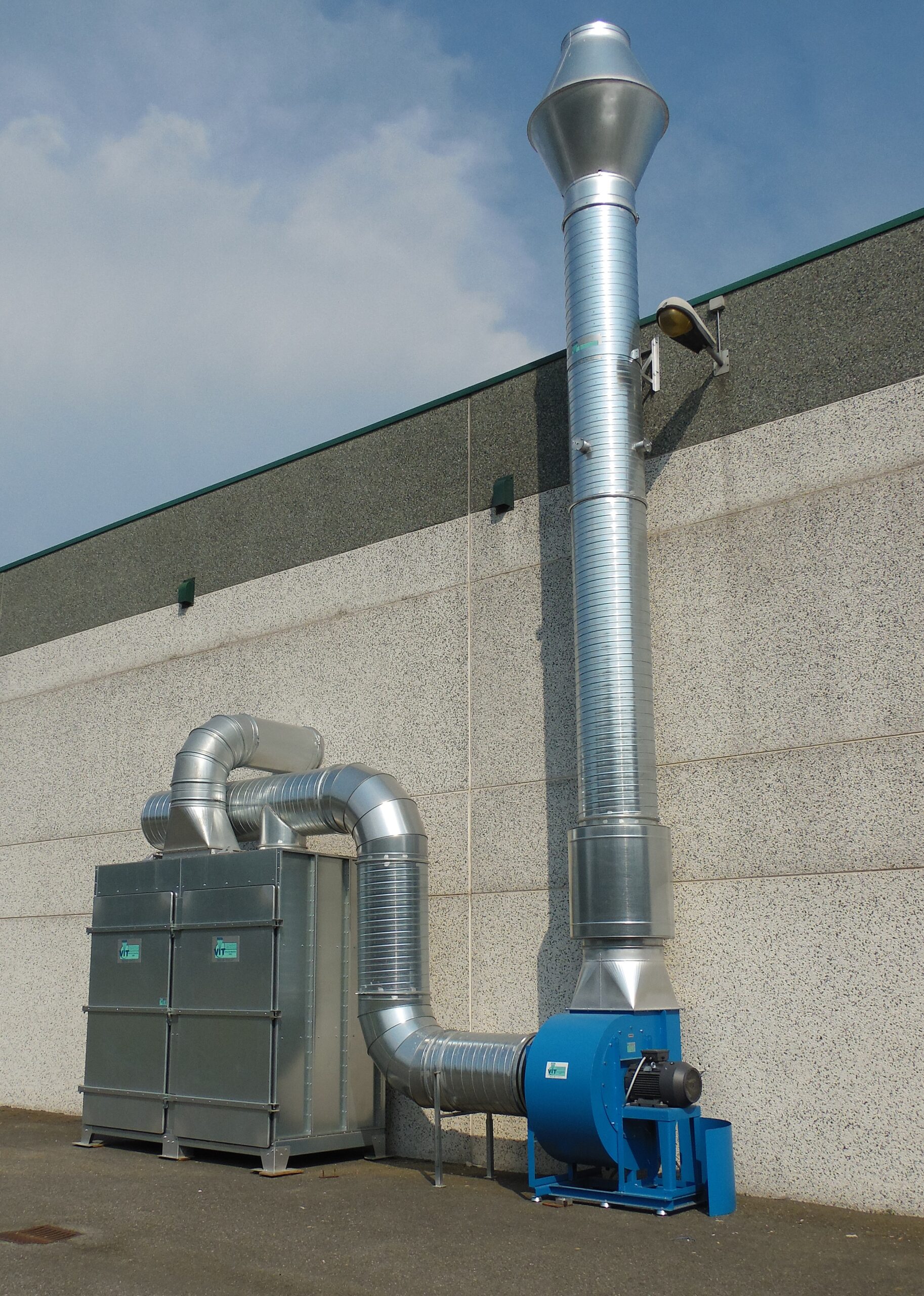
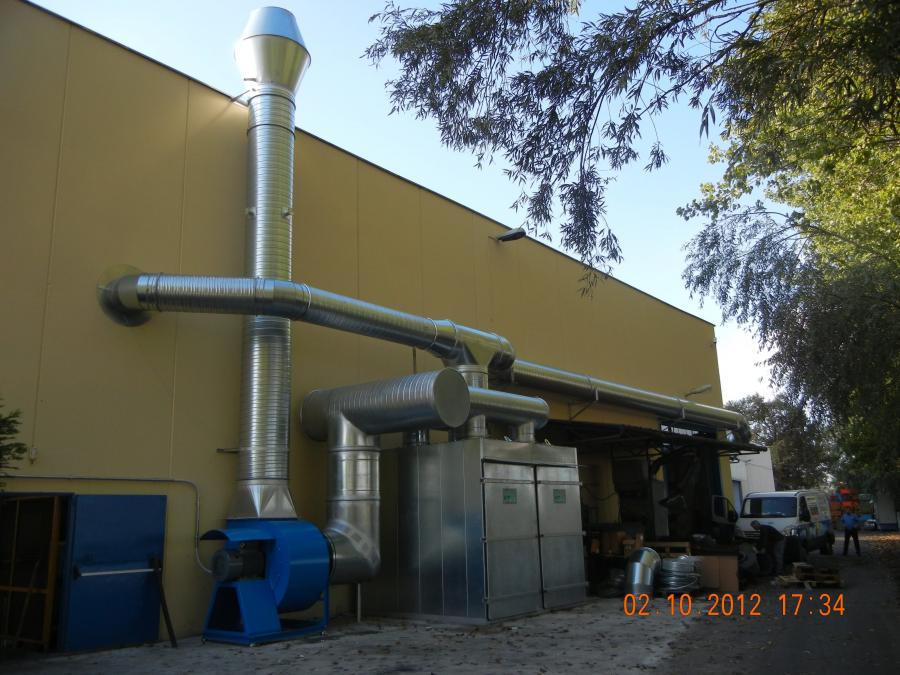
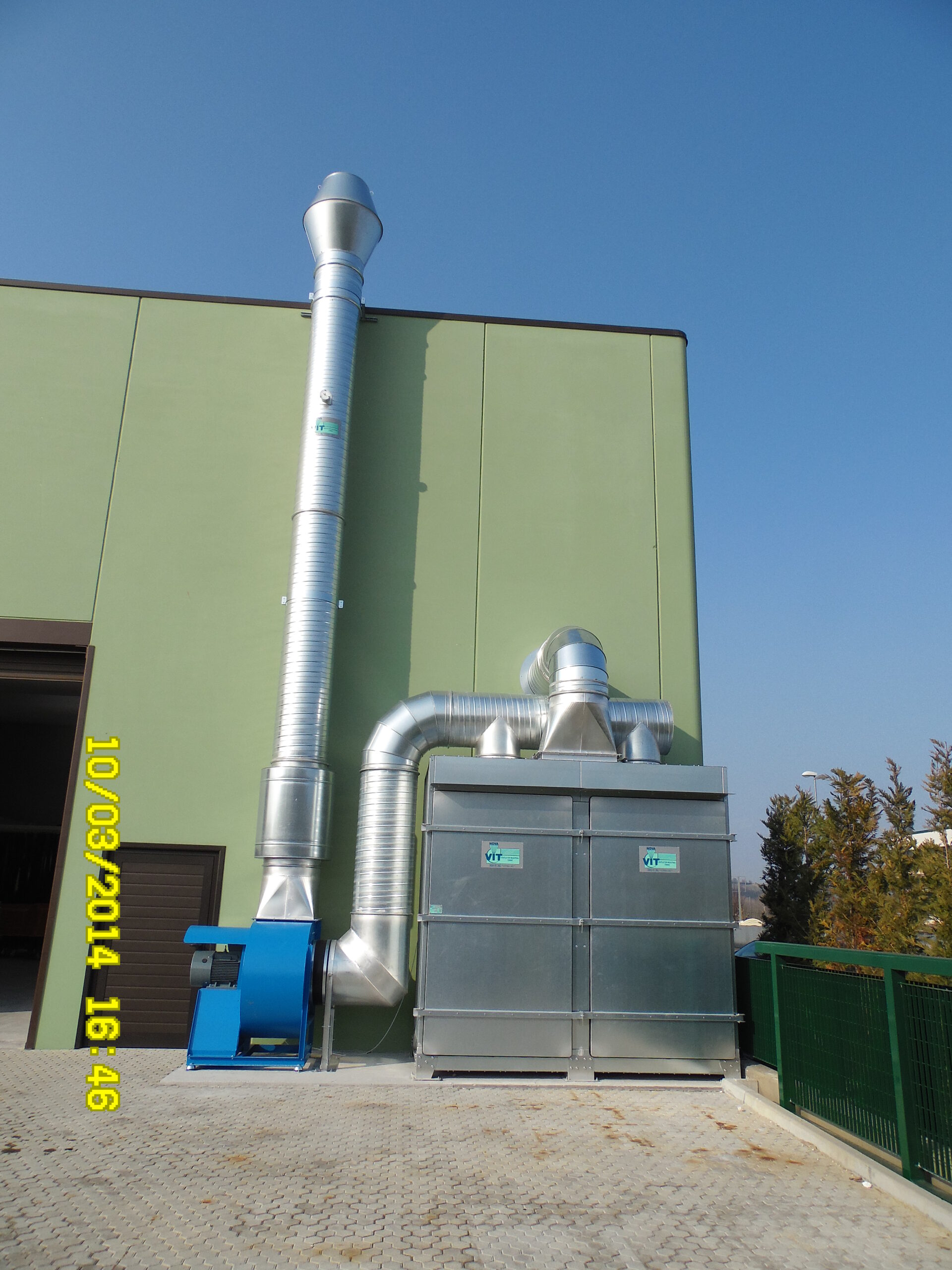
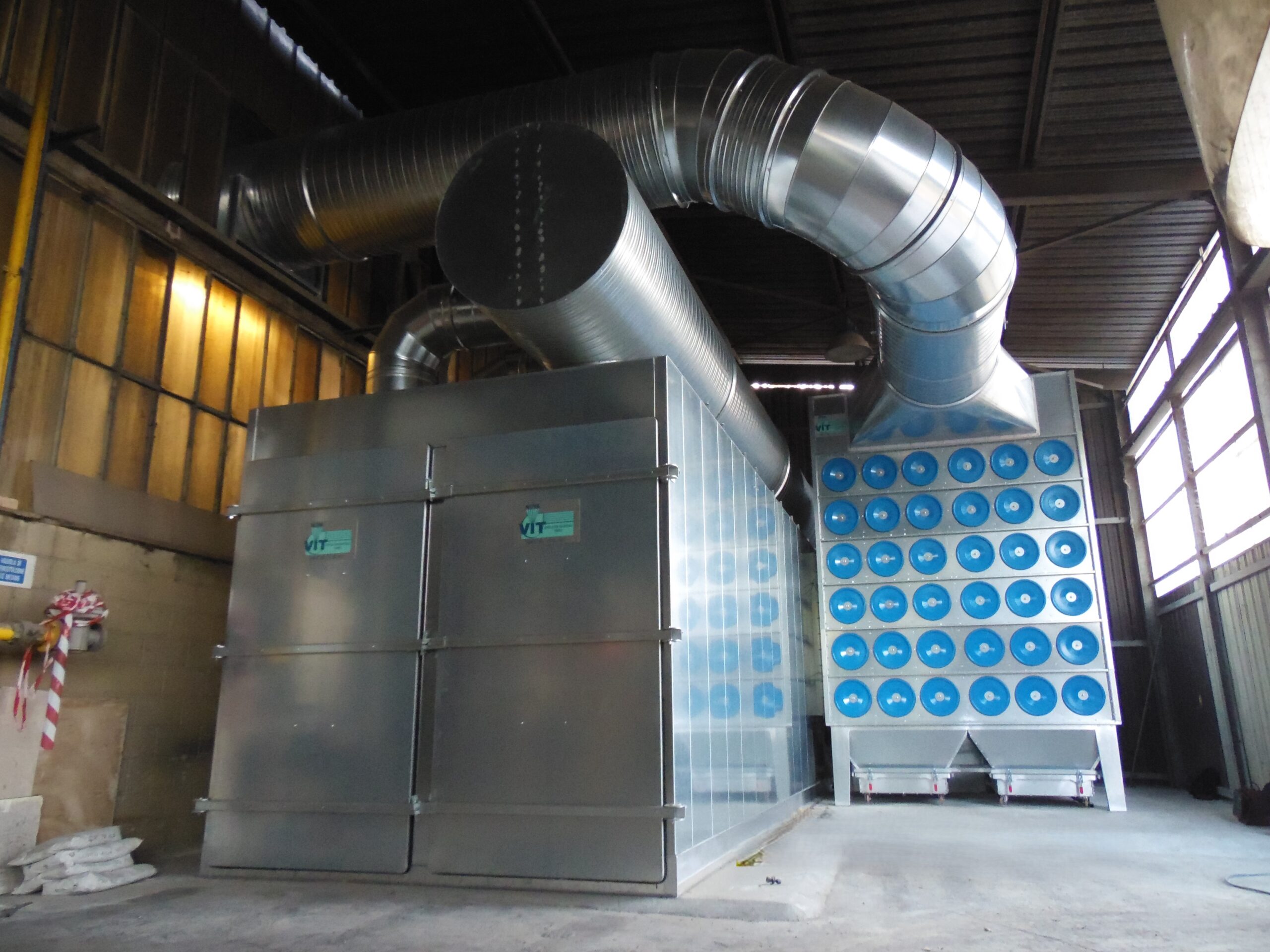
Activated carbon filters are designed for air treatment and the removal of volatile organic compounds (VOCs)generated by residues from industrial processes. Thanks to their high adsorption capacity, they effectively reduce odors and gaseous pollutants, helping to improve air quality in the workplace.
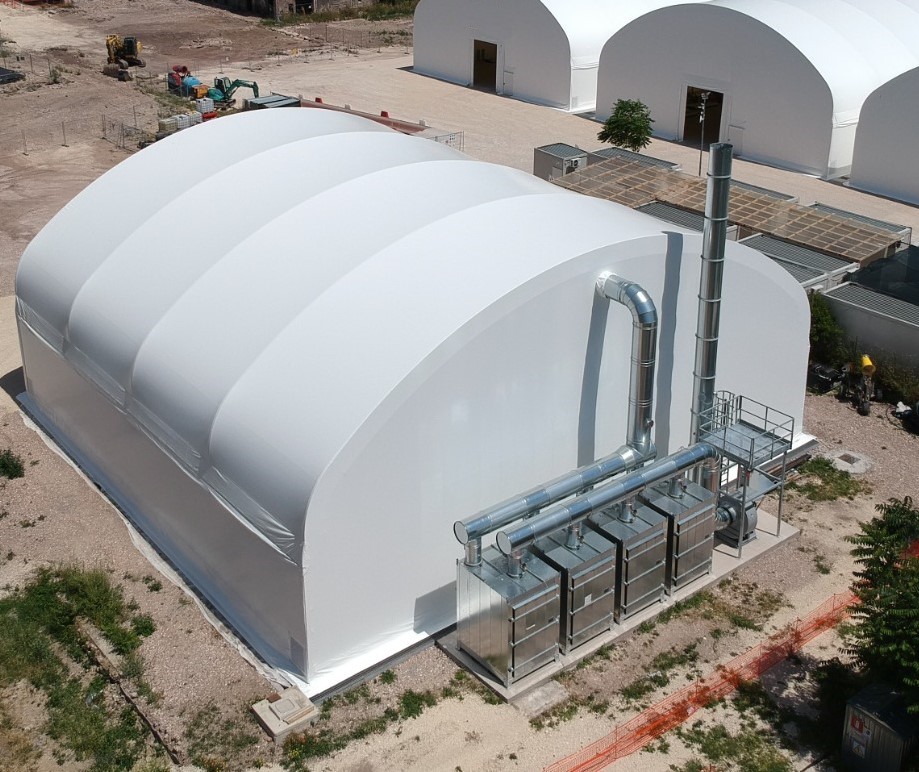
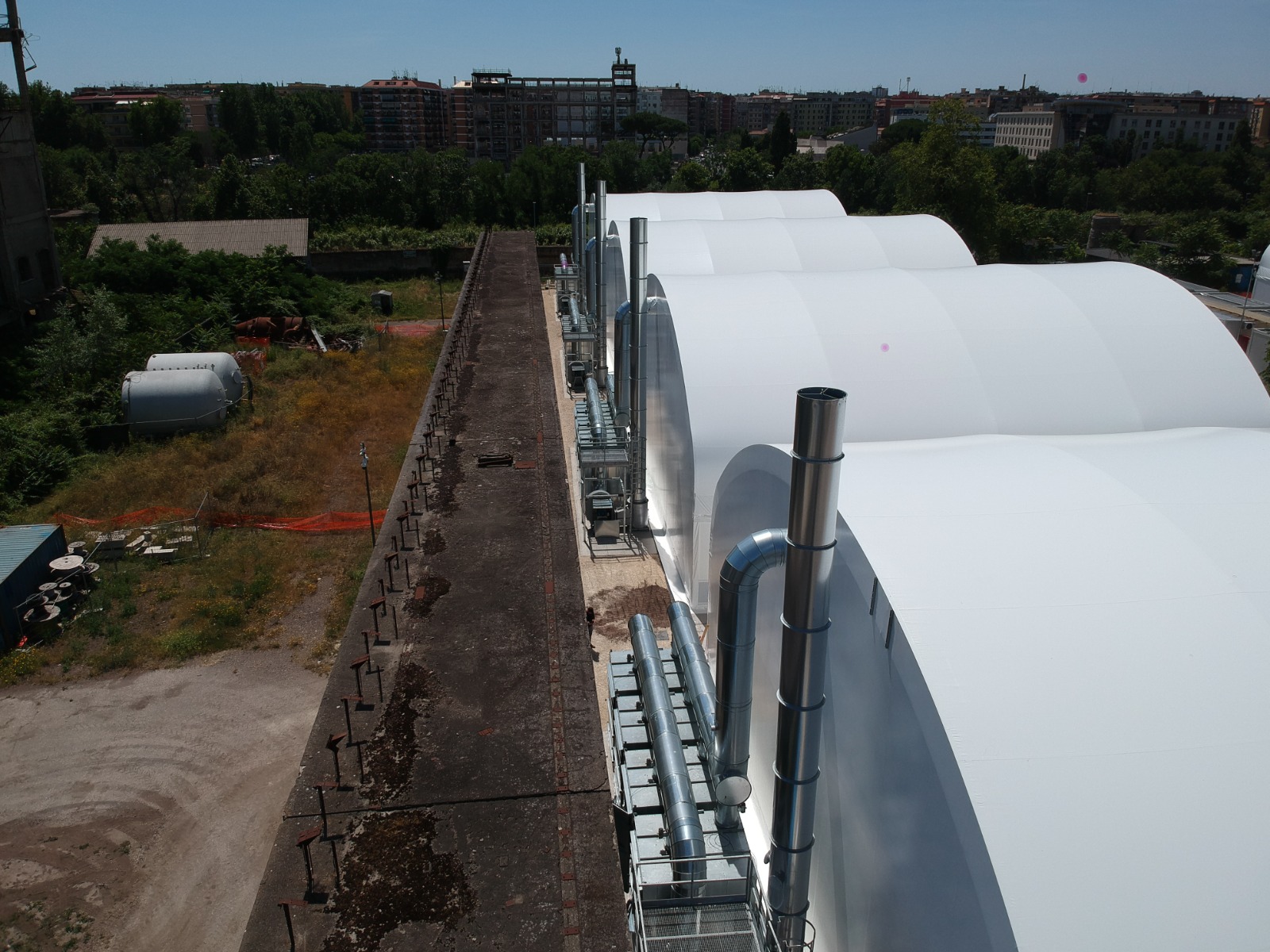
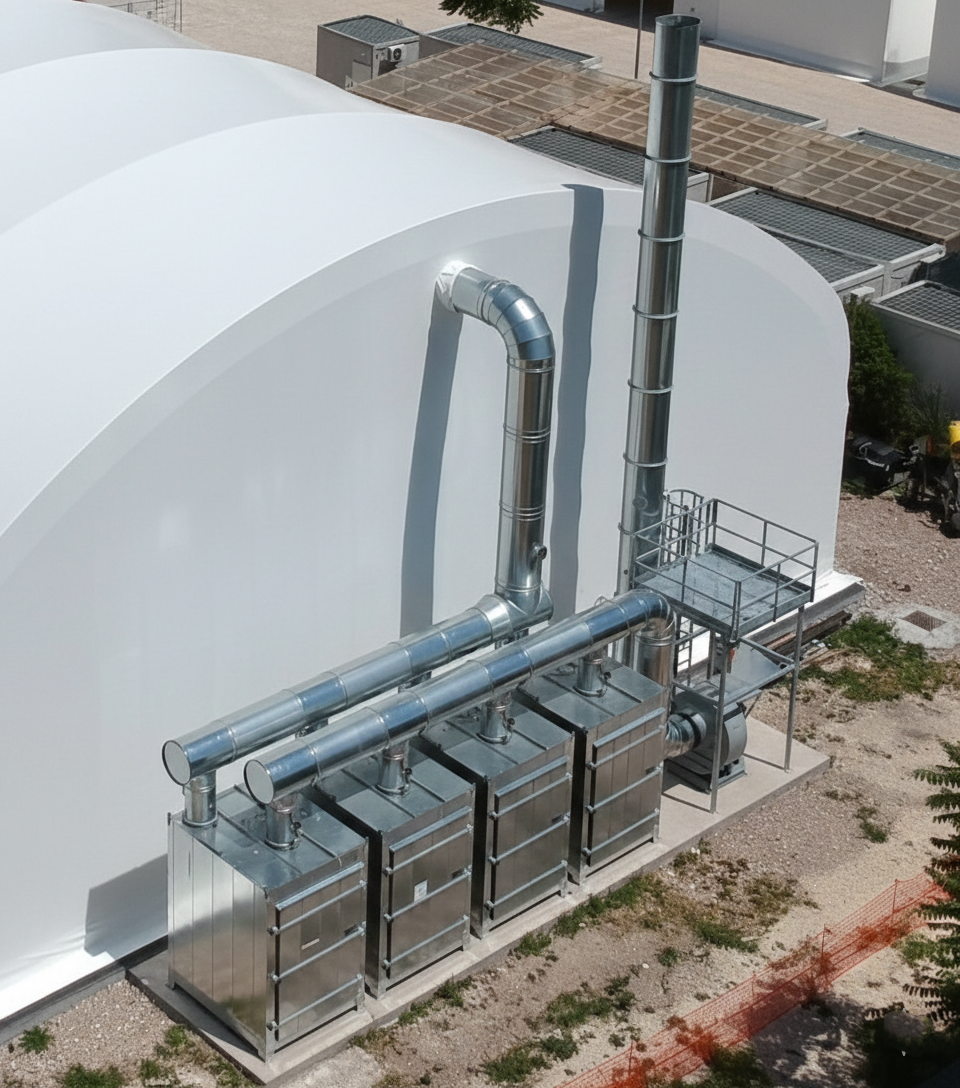
These systems stand out for their ease of installation and operational management, making them suitable both for new installations and for integration into existing extraction systems. The modular configuration allows the filter to be adapted to the specific requirements of the production process, ensuring reliable performance over time.
Ideal for: laminating and coating processes, industrial washing operations with or without solvents, marble and stone processing, and related applications requiring effective VOC control.
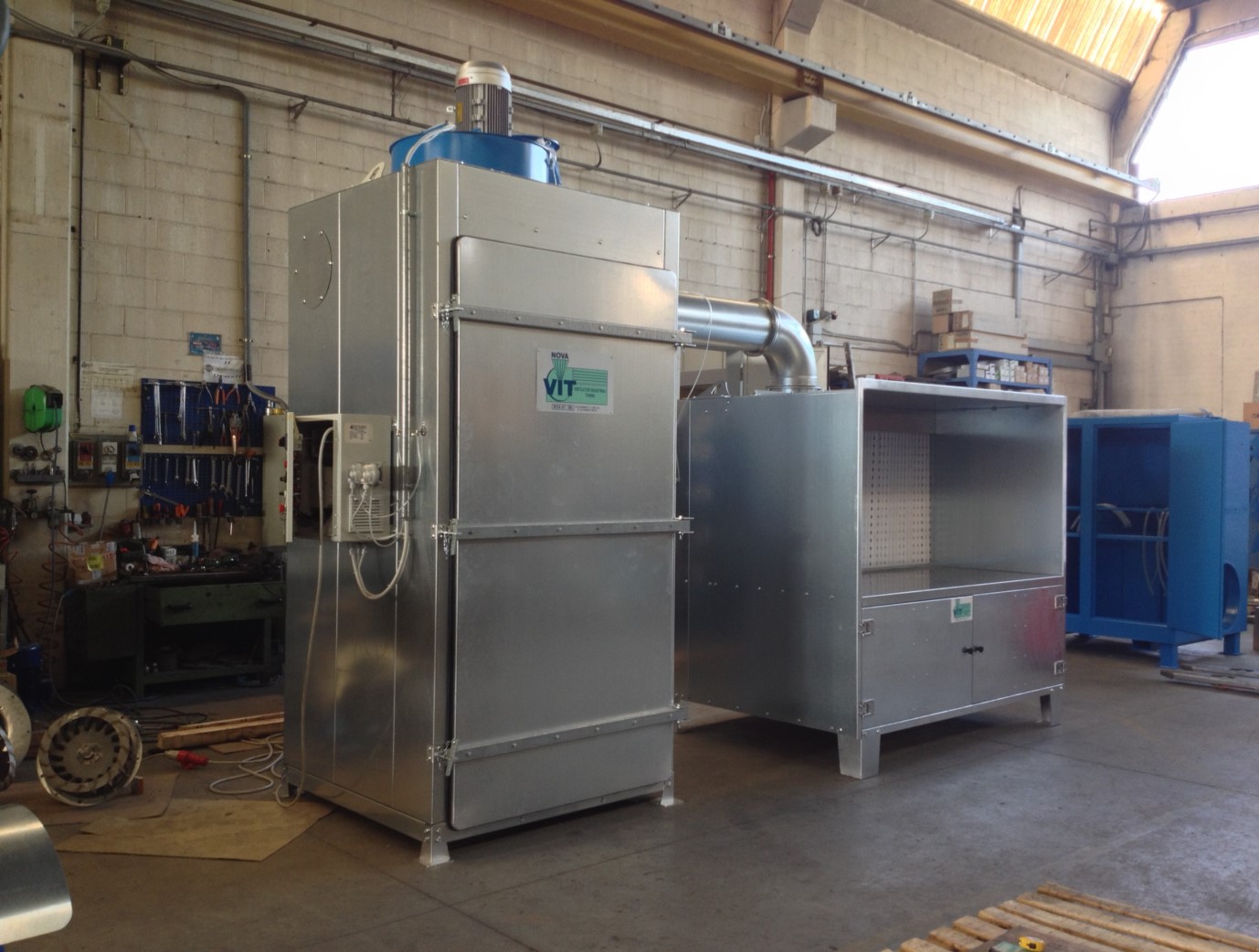
The Active carbon filter for industrial hoods is suitable for marble and stone processing environments where it is necessary to contain vapors. The configuration can be adapted to a single workstation or integrated into an existing extraction system, helping to keep the working air more stable and controlled.
The Active carbon filter for industrial hoods is designed to capture vapors through a modular filtration system, using selected filter elements to ensure operational continuity. The possible presence of multiple filtration stages is defined based on the particle size and concentration of the contaminants.
For the Active carbon filter for industrial hoods, sizing depends on capture distance, intake geometry, and system pressure losses. When available, the indicative range corresponds to the airflow required at the capture point; in any case, it is recommended to verify the data based on the actual emission point and operating conditions.
The Active carbon filter for industrial hoods requires periodic checks of filters, gaskets, and seals, as well as cleaning or replacement of the filter elements according to the workload. In versions equipped with self-cleaning systems, it is useful to monitor differential pressure and plan maintenance before performance decreases.
To properly integrate the Active carbon filter for industrial hoods, attention must be paid to positioning relative to the source, sealing of connections, and accessibility for inspection and maintenance. It is also important to verify compatibility with company safety procedures and with the characteristics of the treated contaminants.