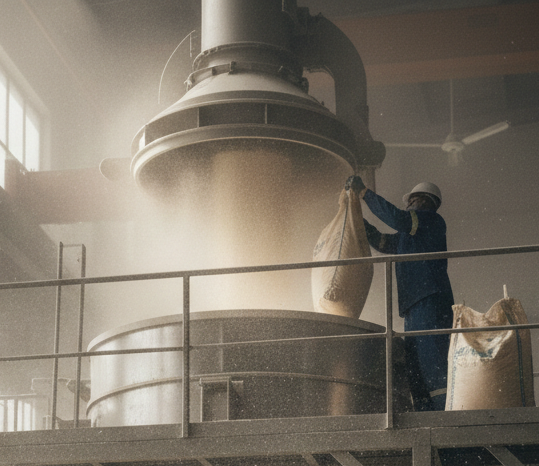
Dry solid dust generated by industrial processes, easily airborne and prone to accumulation on surfaces and equipment.
At Nova Vit we design and build systems dedicated to filtering the main airborne pollutants generated by industrial processes. Our experience allows us to intervene precisely on every type of contaminant, ensuring safer, cleaner and more efficient work environments.

We analyse the type of pollutant generated by your production process to identify the most suitable filtration solution.
Based on the pollutant characteristics, we select the most effective treatment technology for your needs.
Contact our technical team for a personalised assessment and a no-obligation quote.
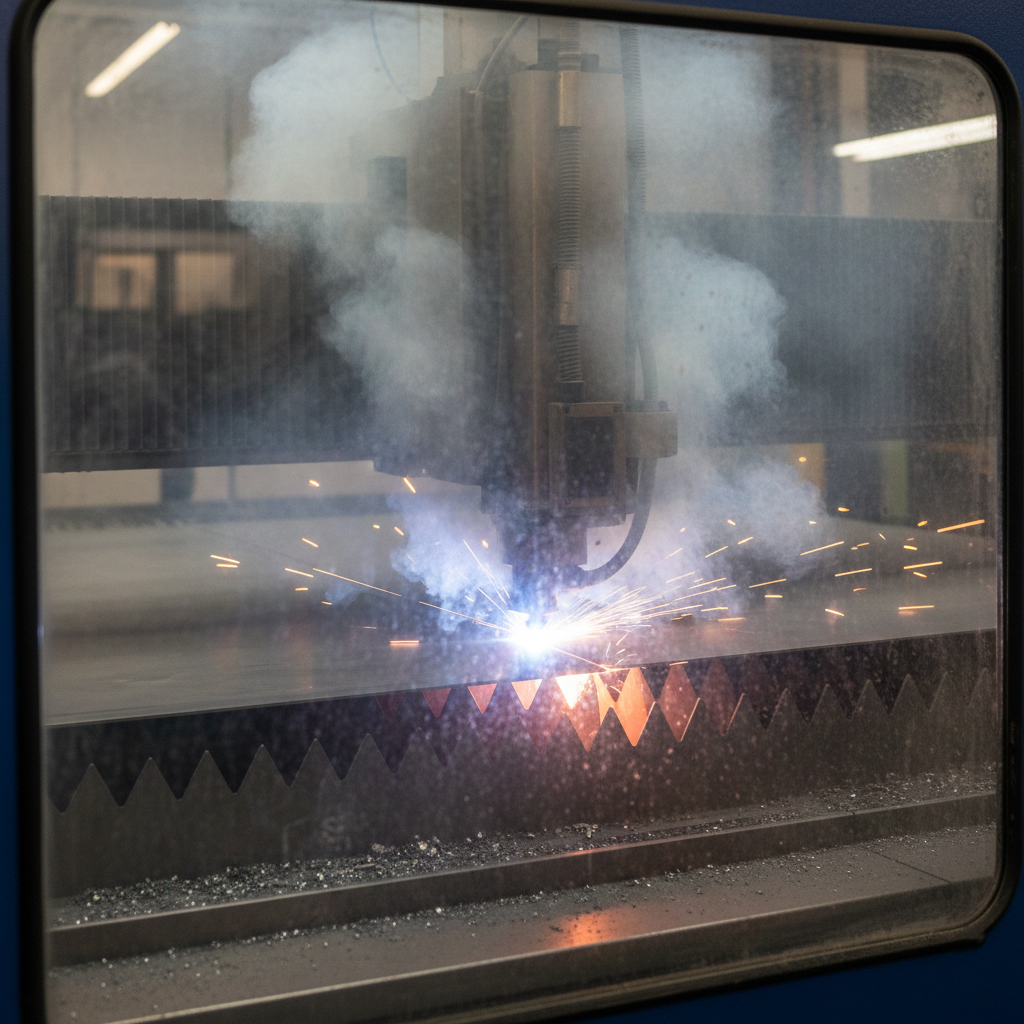
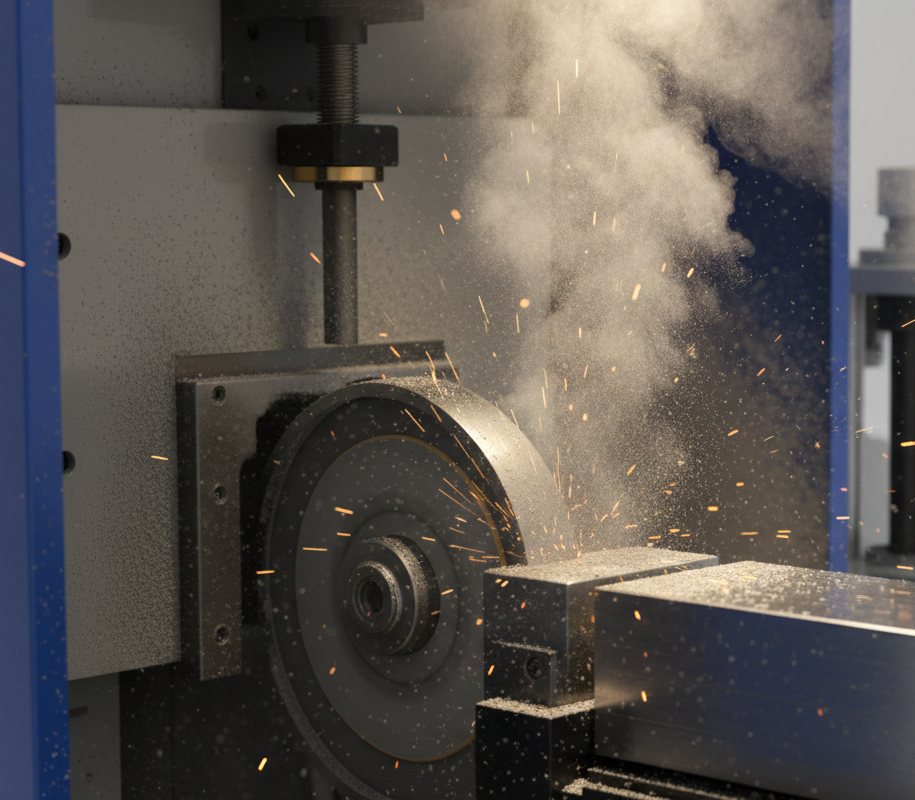
Dust and fumes produced during thermal or mechanical cutting operations, containing metal particles and combustion residues.
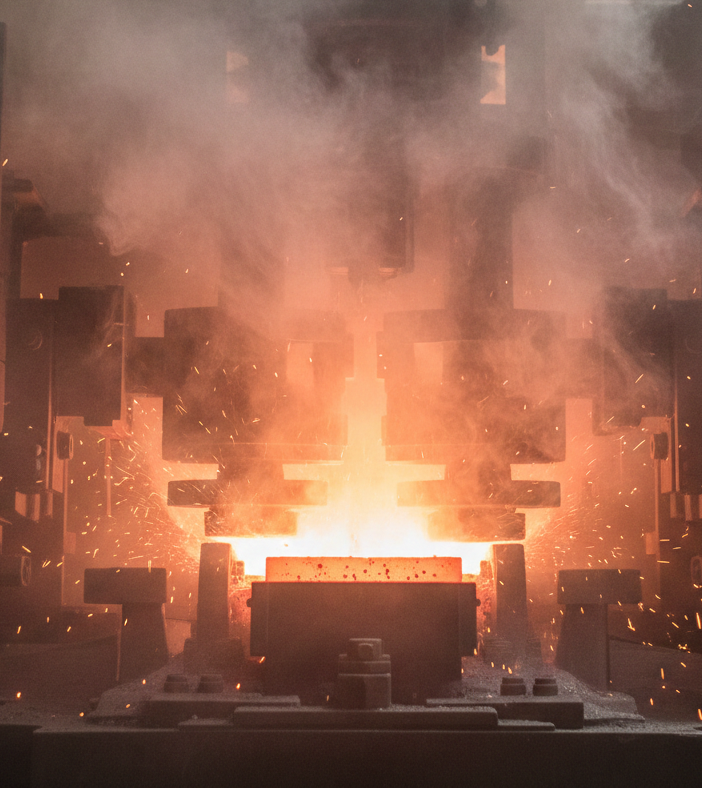
Emissions generated during metal melting and casting processes, containing dust, hot fumes and combustion residues.
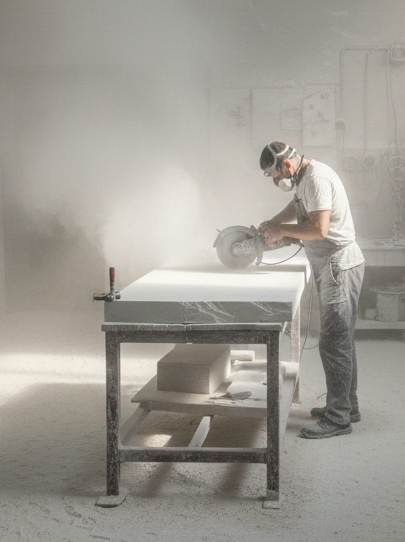
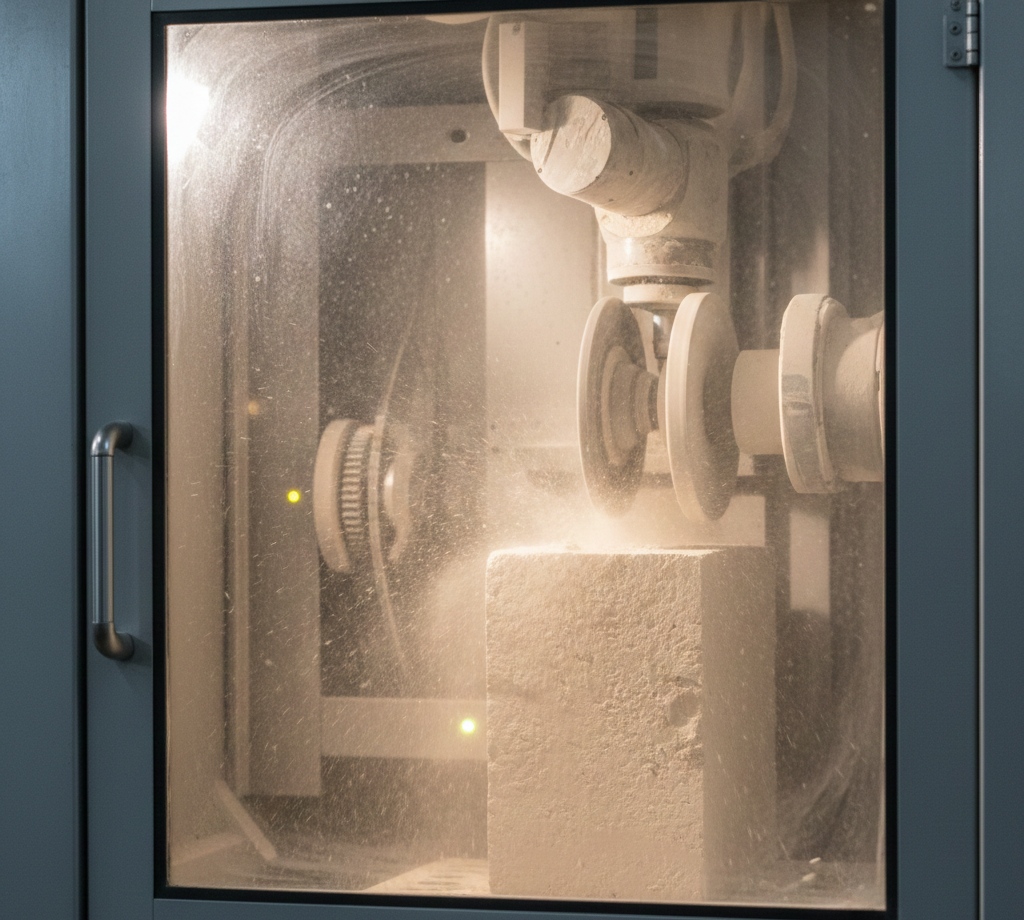
Mineral dust generated by cutting, milling and polishing of marble and natural stone, abrasive and potentially harmful.
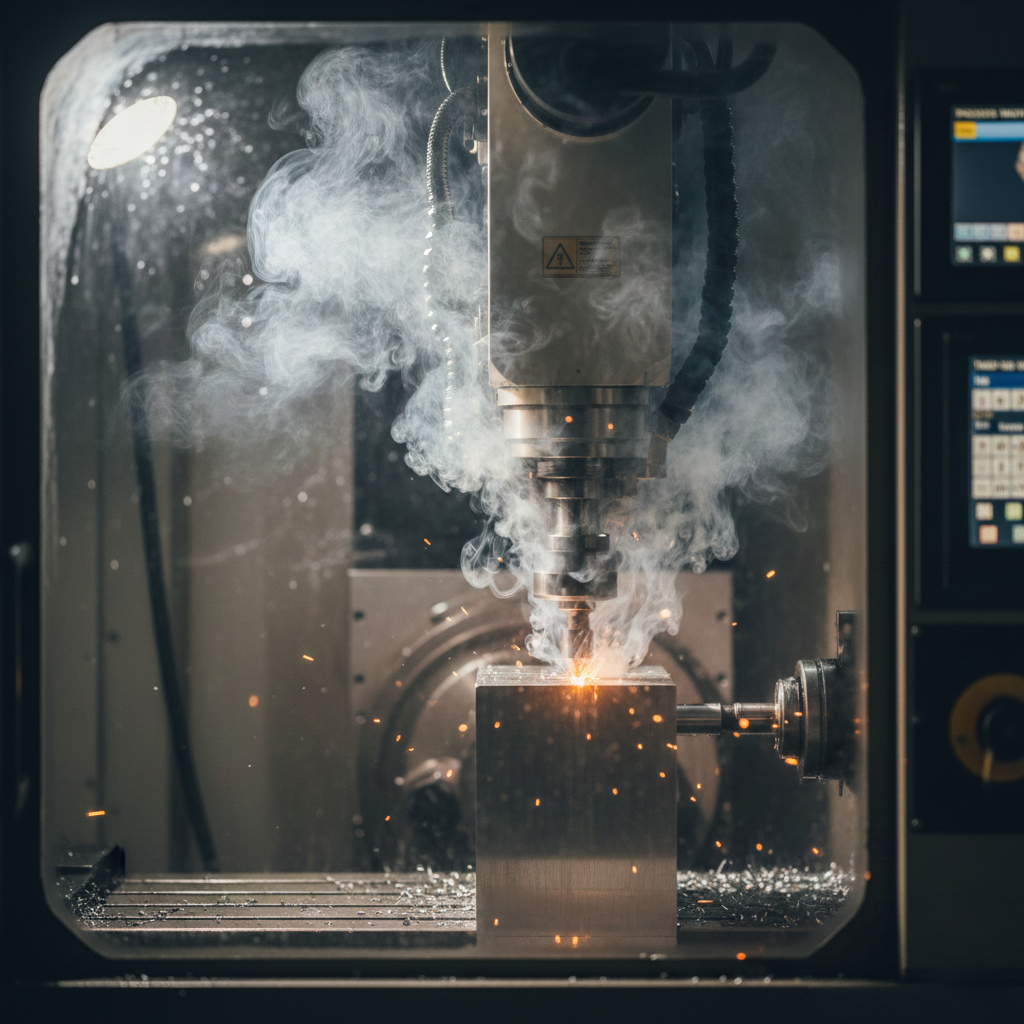
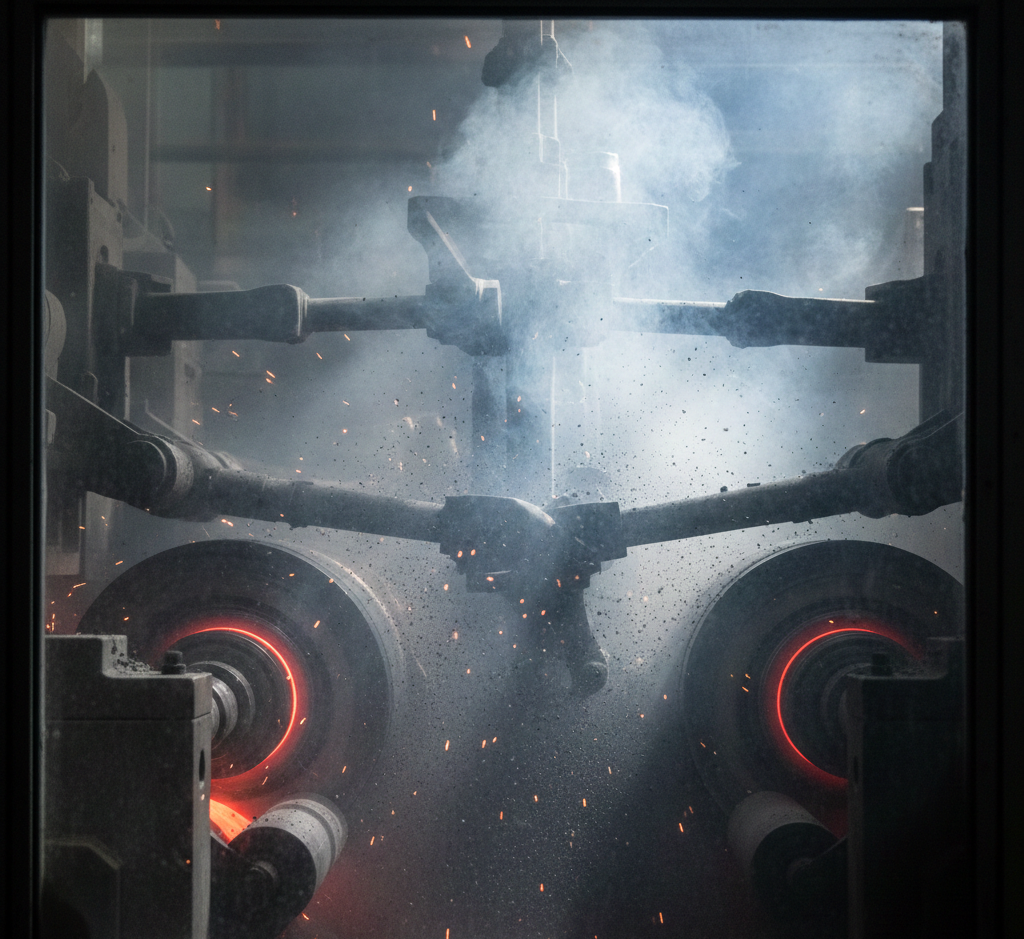
Solid metal residues generated by turning, milling and mechanical processing, often accompanied by dust and oil mists.
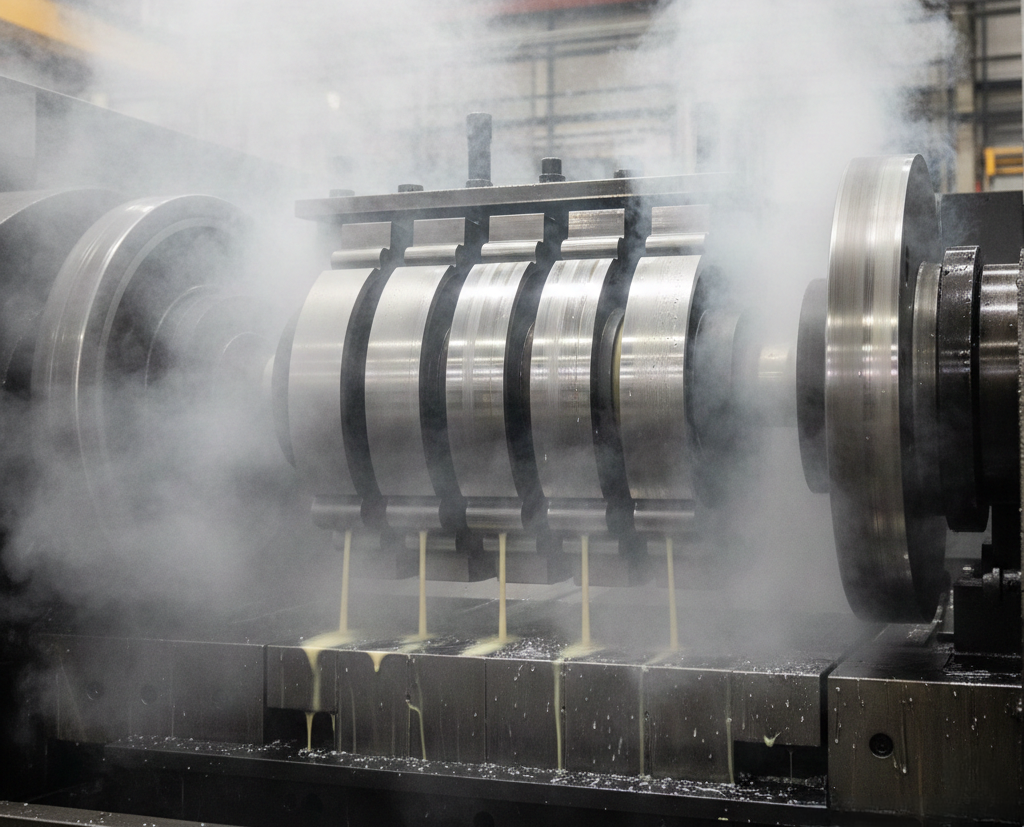
Emissions consisting of vapours and micro oil droplets generated by mechanical processing, lubrication and high-speed industrial operations.
Emissions of dust and fumes generated during rubber processing and vulcanisation, containing particles and organic compounds.
Very fine carbon-based dust generated by toner and carbon black, highly dispersible, staining and critical for air quality.
Alkaline and heavy dust generated during the production, handling and packaging of cement, with high environmental dispersion.
Dust and fumes produced during thermal or mechanical cutting operations, containing metal particles and combustion residues.
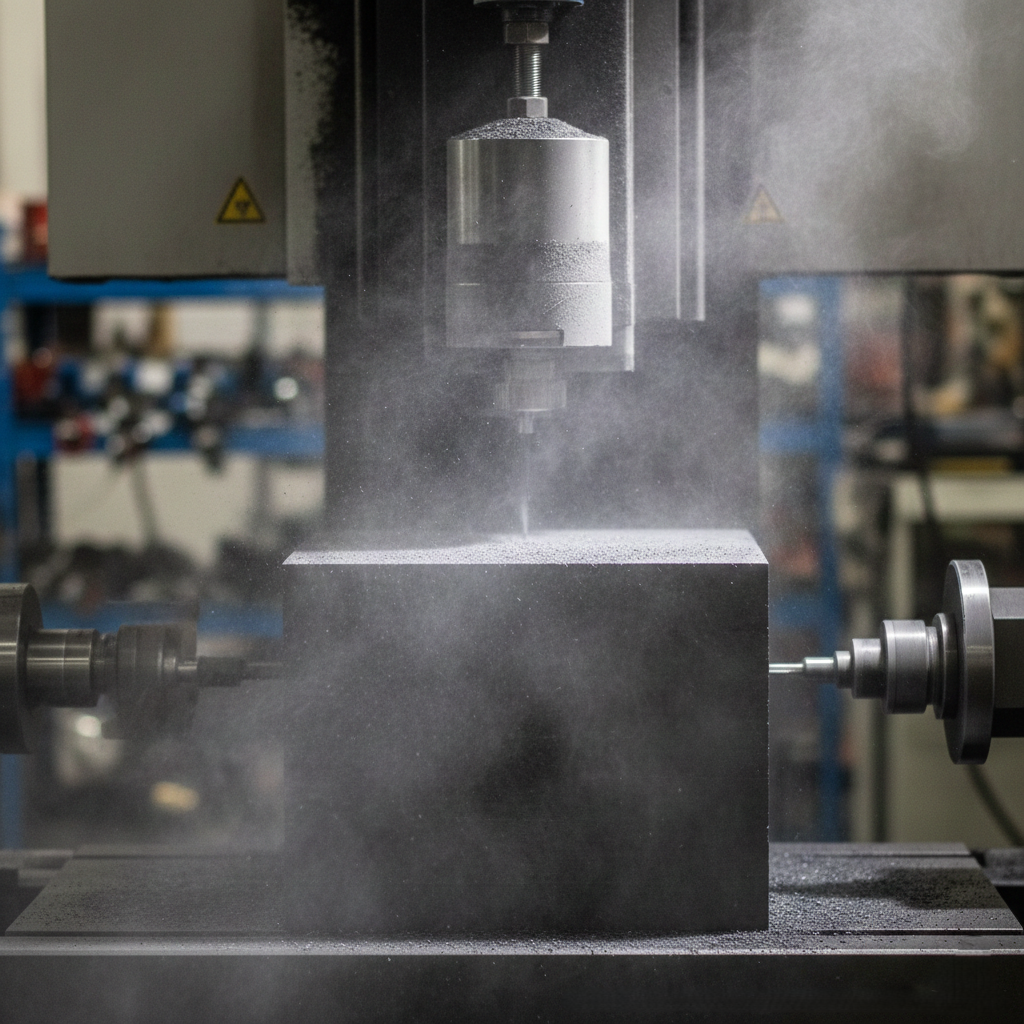
Fine and conductive dust produced during graphite processing, highly dispersible and critical for safety and filtration.
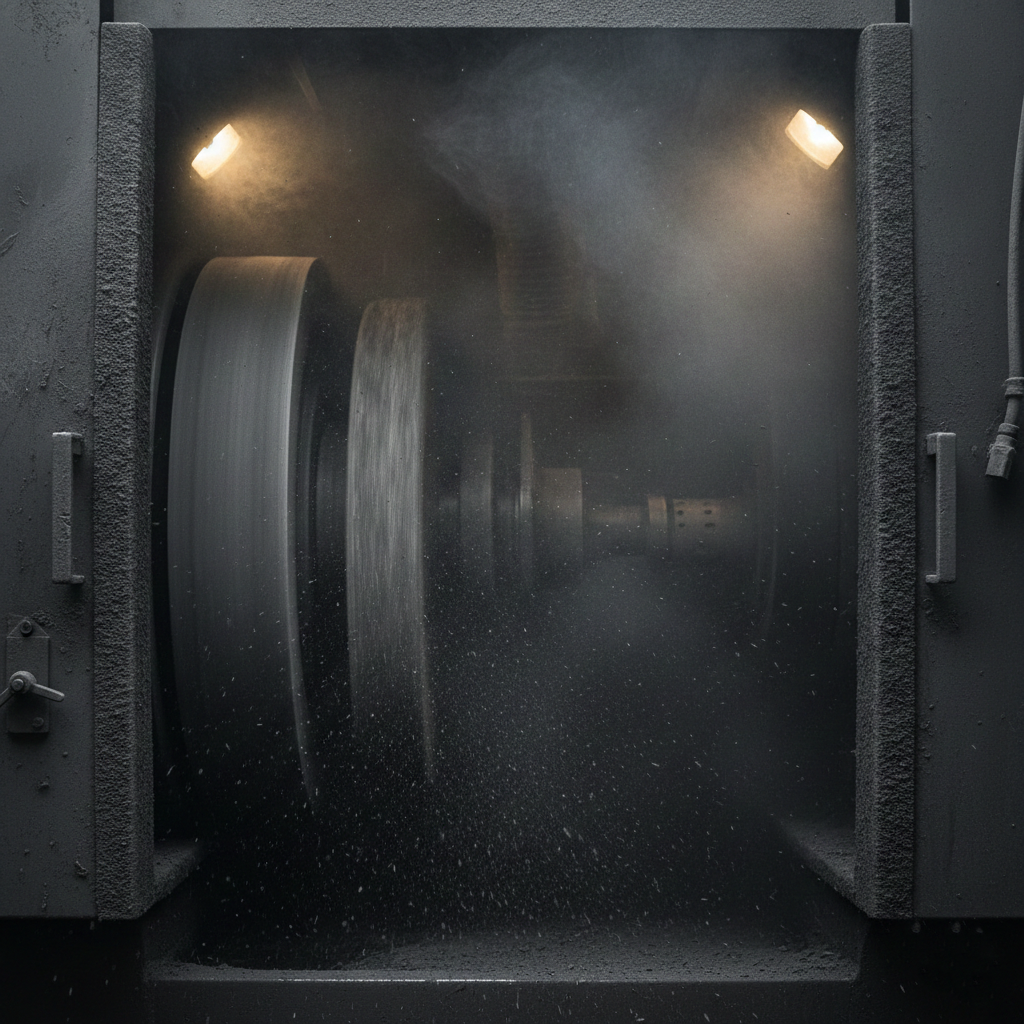
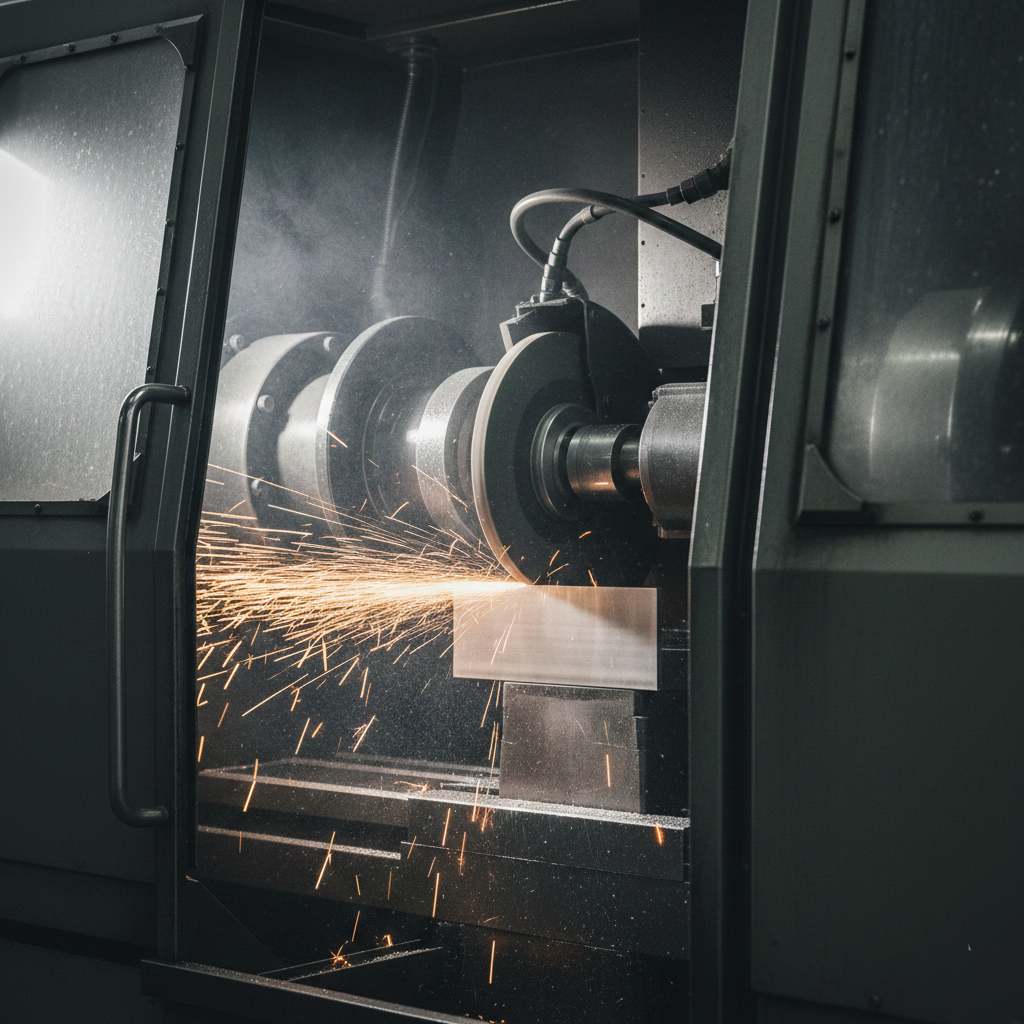
Abrasive metal dust generated by grinding and finishing operations on metal surfaces and industrial components.
Mineral dust generated by cutting, milling and polishing of marble and natural stone, abrasive and potentially harmful.
Light cellulose dust produced during cutting, printing and processing of paper and cardboard, easily airborne.
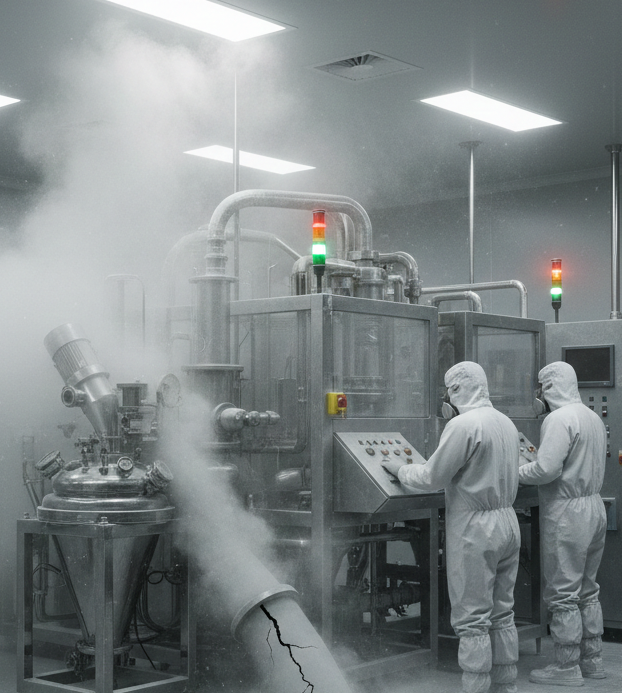
Fine dust originating from the mixing, dosing and handling of active ingredients and chemical compounds in the pharmaceutical industry.
Emissions of dust and fumes generated during rubber processing and vulcanisation, containing particles and organic compounds.
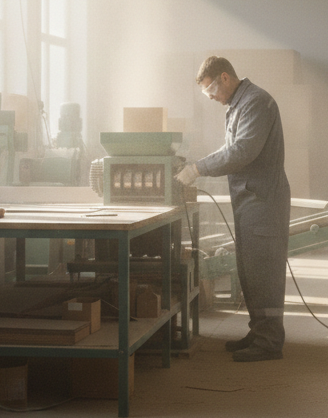
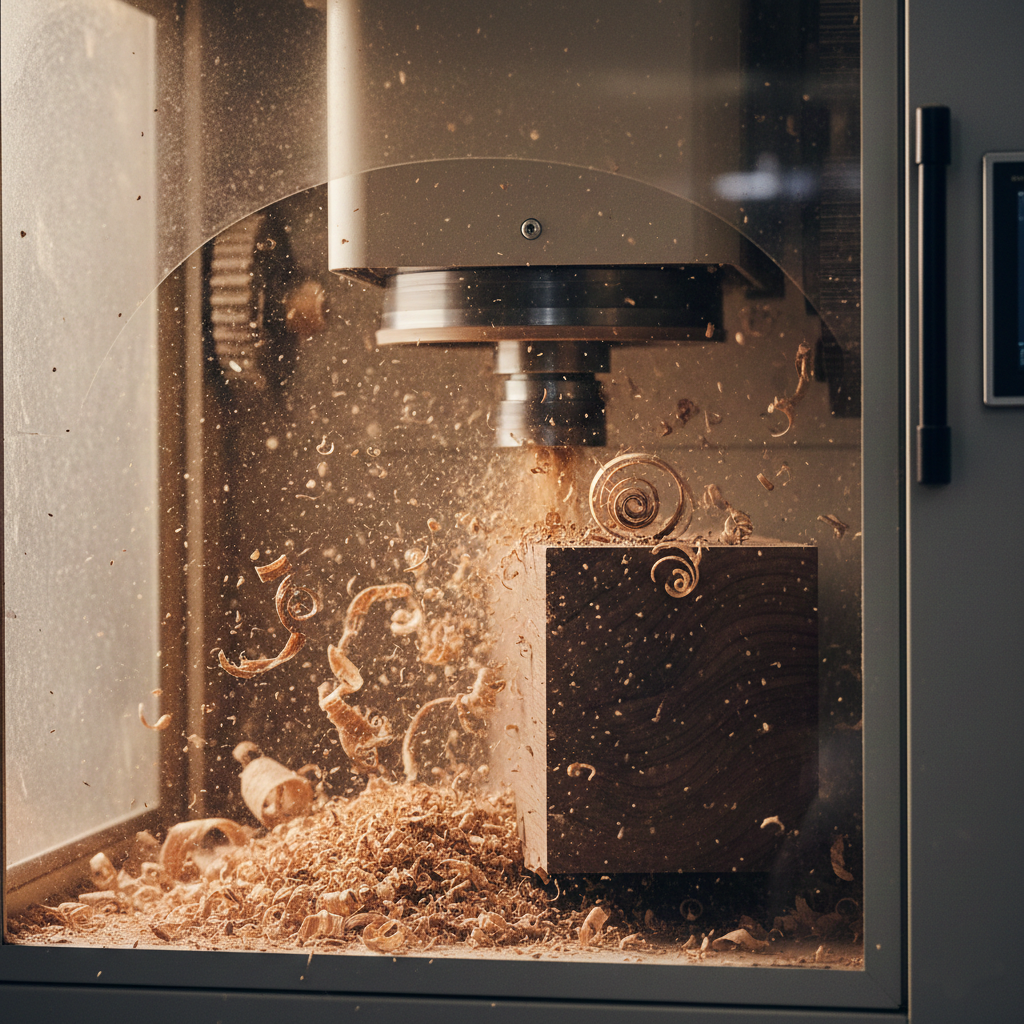
Dust and chips generated by cutting, milling and sanding of wood, easily flammable and harmful if inhaled.
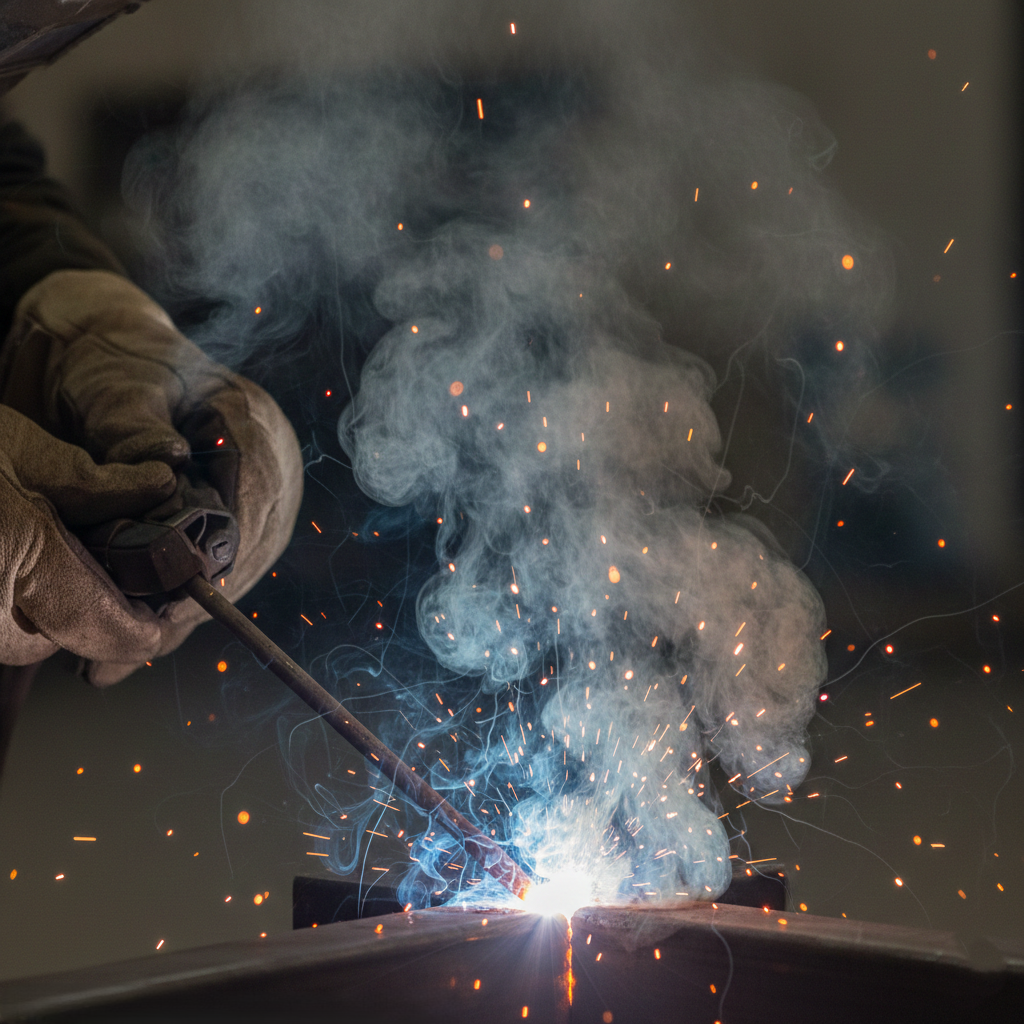
Fumes and dust produced during metal welding, consisting of metal particles, oxides and gases generated by the thermal process.
Emissions generated during metal melting and casting processes, containing dust, hot fumes and combustion residues.
Corrosive gaseous emissions generated by chemical processes and surface treatments, containing acidic vapours harmful to equipment and operators.
Organic vapours released from paints, adhesives and chemical solvents during application, drying and industrial processing.
Emissions consisting of vapours and micro oil droplets generated by mechanical processing, lubrication and high-speed industrial operations.
Solid metal residues generated by turning, milling and mechanical processing, often accompanied by dust and oil mists.